 Wildlife
of Romania
Mallard
Ducks, Geese & Swans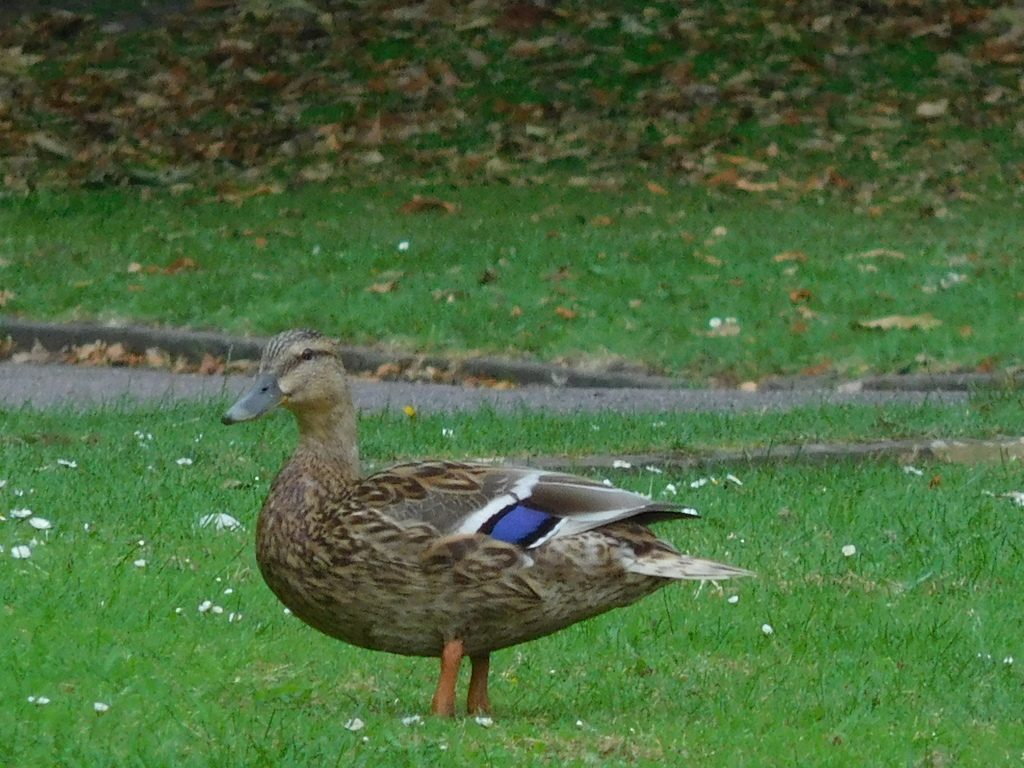
Photo: Ron Pasieczna · CC BY 4.0 (May be cropped or resized)
Anas platyrhynchos
Basic stats
Diet
Aquatic plants, seeds, invertebrates, small fish and other small animals
Habitat
Freshwater and brackish wetlands, including lakes, ponds, rivers, marshes and urban waters
Range
Native in temperate and subtropical parts of North America, Eurasia and North Africa; introduced widely elsewhere
Clutch size
Usually 8–13 eggs
Incubation period
27–28 days
Size
50–65cm
Wingspan
81–98cm
Weight
Averages about 843g
The Mallard is a medium-large dabbling duck. Breeding males have a glossy green head, white neck ring, chestnut breast and grey body, while females are mottled brown; both sexes carry an iridescent blue-purple wing patch bordered in white. The broad bill and strong body suit surface feeding in varied waters. Adults measure 50–65 cm, span 81–98 cm and average about 843 g (Wikipedia, general species account; AVONET, Tobias et al. 2022).
Across its native temperate and subtropical range in North America, Eurasia and North Africa, the species uses lakes, ponds, rivers, marshes and brackish or urban wetlands. Introduced populations occur widely elsewhere. Birds feed by dabbling at the surface or grazing on land, eating aquatic vegetation, seeds, invertebrates, small fish and other small animals. Females lay 8–13 eggs, incubate them for 27–28 days and lead precocial ducklings to water soon after hatching (Wikipedia, general species account; EltonTraits, Wilman et al. 2014).
Where to see Mallard in Romania
GBIF records grouped by protected area. They show where the species has been reported, not that it is there now, and they are not population counts.
Recorded in 21 protected areas (1969–2026). The 8 with the most records:
- Danube Delta Biosphere Reserve: 2,671 records (1969–2026)
- Balta Albă - Amara - Jirlău: 104 records (2012–2026)
- Văcărești Nature Park: 98 records (2009–2026)
- Mestecănișul de la Reci și Bălțile de la Ozun-Sântionlunca: 76 records (2016–2026)
- Parcul Natural Comana: 53 records (2012–2024)
- Iron Gates Natural Park: 43 records (2011–2025)
- Cheile Bicazului-Hășmaș National Park: 40 records (2008–2026)
- Munții Apuseni - Vlădeasa: 25 records (1999–2024)
Quick answers
- What does the Mallard eat?
- Aquatic plants, seeds, invertebrates, small fish and other small animals
- What habitat does the Mallard live in?
- Freshwater and brackish wetlands, including lakes, ponds, rivers, marshes and urban waters
- Where is the Mallard found?
- Native in temperate and subtropical parts of North America, Eurasia and North Africa; introduced widely elsewhere
- How many eggs does the Mallard lay?
- Usually 8–13 eggs
- How long are the eggs of the Mallard incubated?
- 27–28 days
- How big is the Mallard?
- 50–65cm
- What is the wingspan of the Mallard?
- 81–98cm
- How much does the Mallard weigh?
- Averages about 843g