Mammal · Bears
Brown Bear
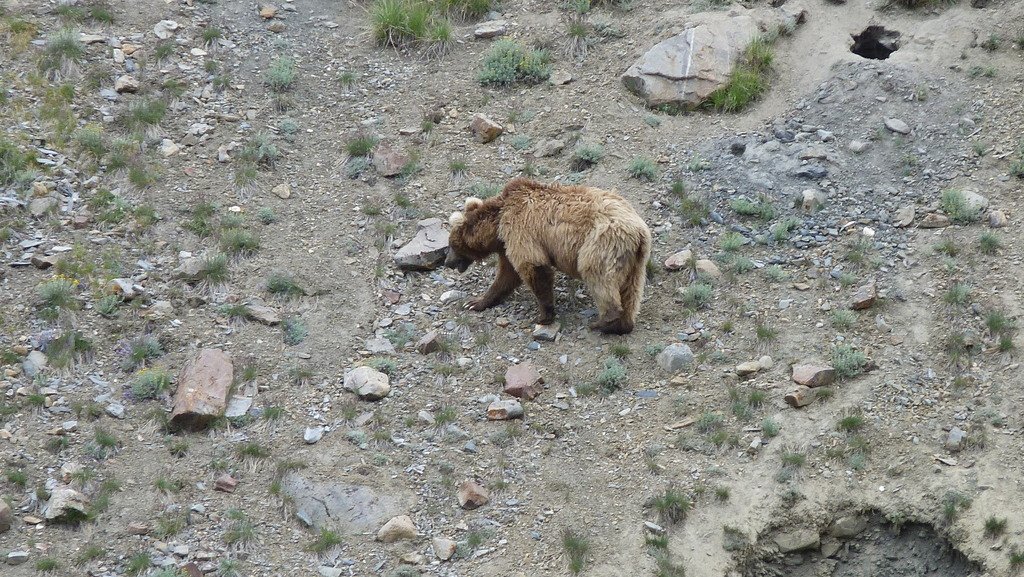
Romania's Carpathian forests support one of Europe's most important brown bear populations.
Meet the bear Wildlife
Mammal · Bears
Romania's Carpathian forests support one of Europe's most important brown bear populations.
Meet the bear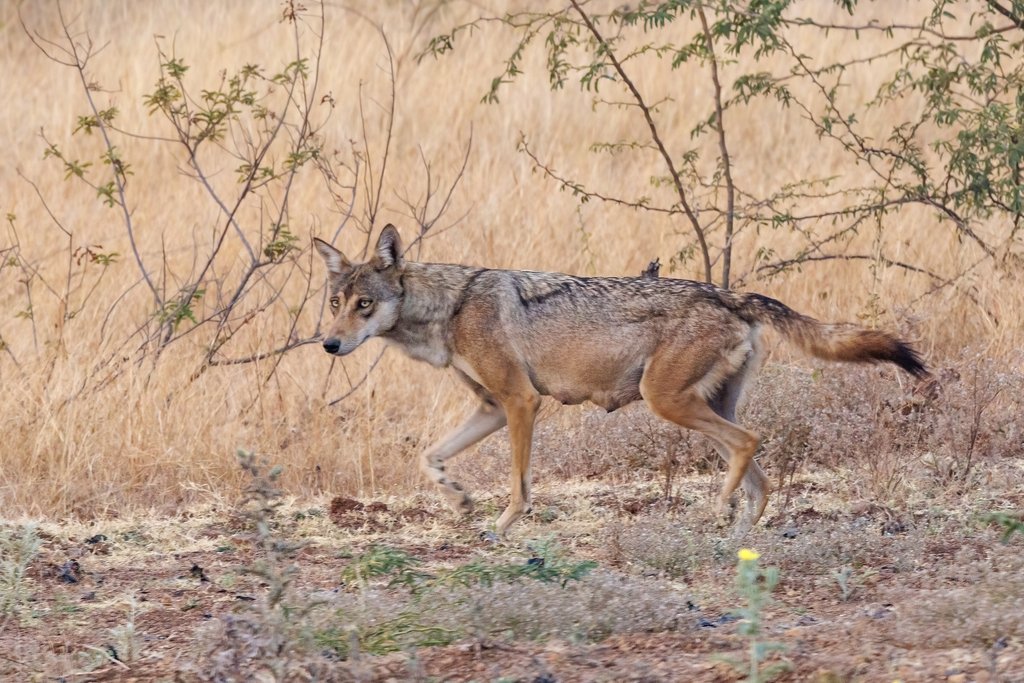
Mammal · Canids
Romania's connected forests and mountain foothills remain one of Europe's great wolf landscapes.
Meet the wolf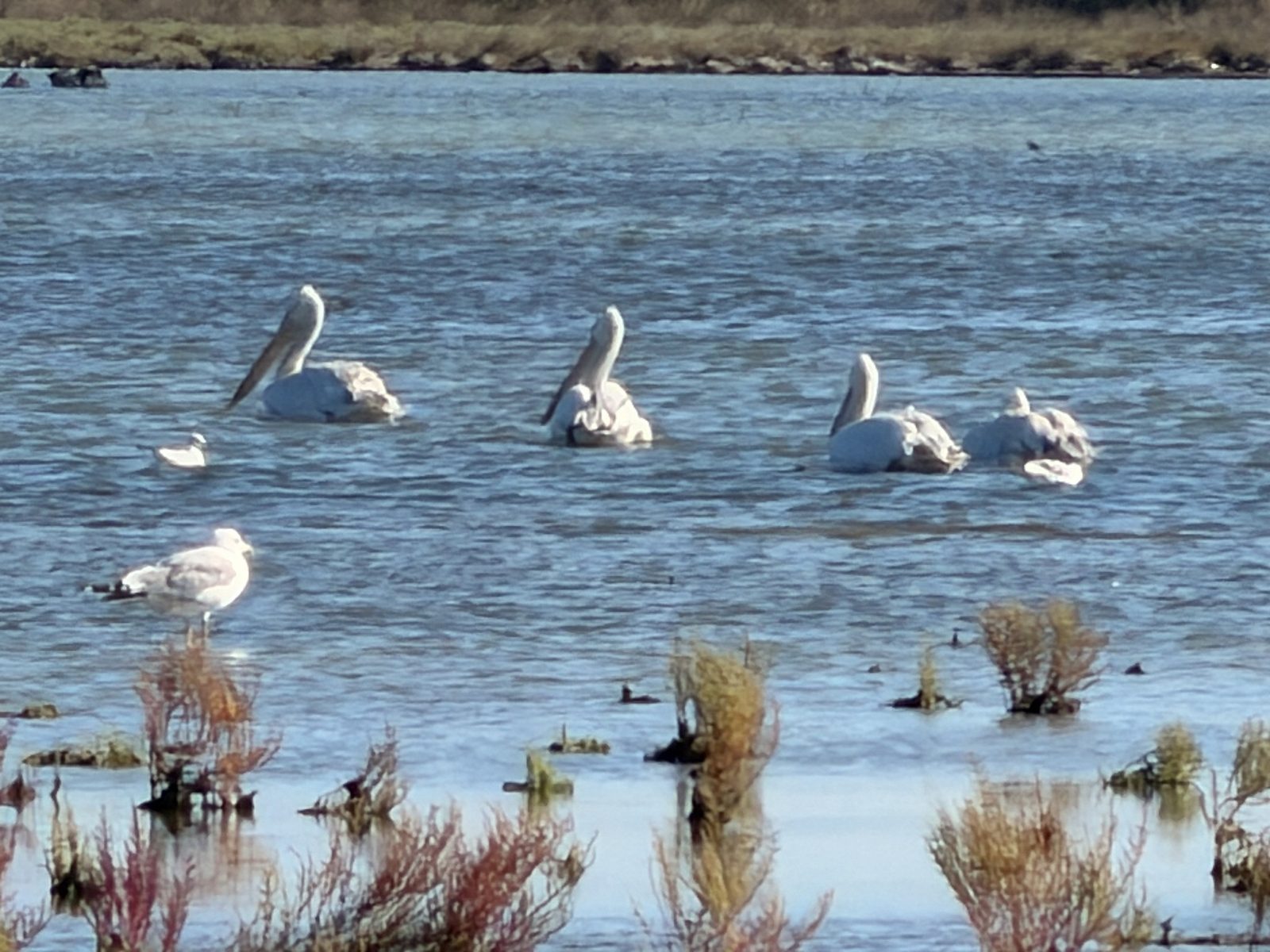
Bird · Pelicans
Huge silver-grey pelicans breed and gather across the lakes and reedbeds of the Danube Delta.
Meet the pelican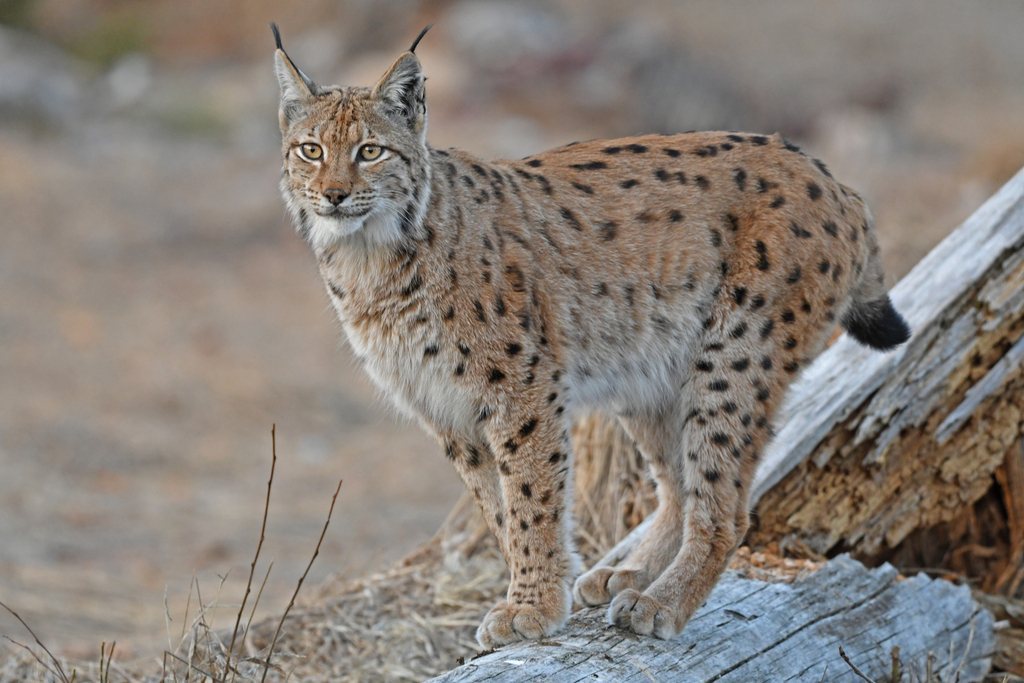
Mammal · Cats
A secretive forest cat of the Carpathians, sharing the landscape with bears and wolves.
Meet the lynx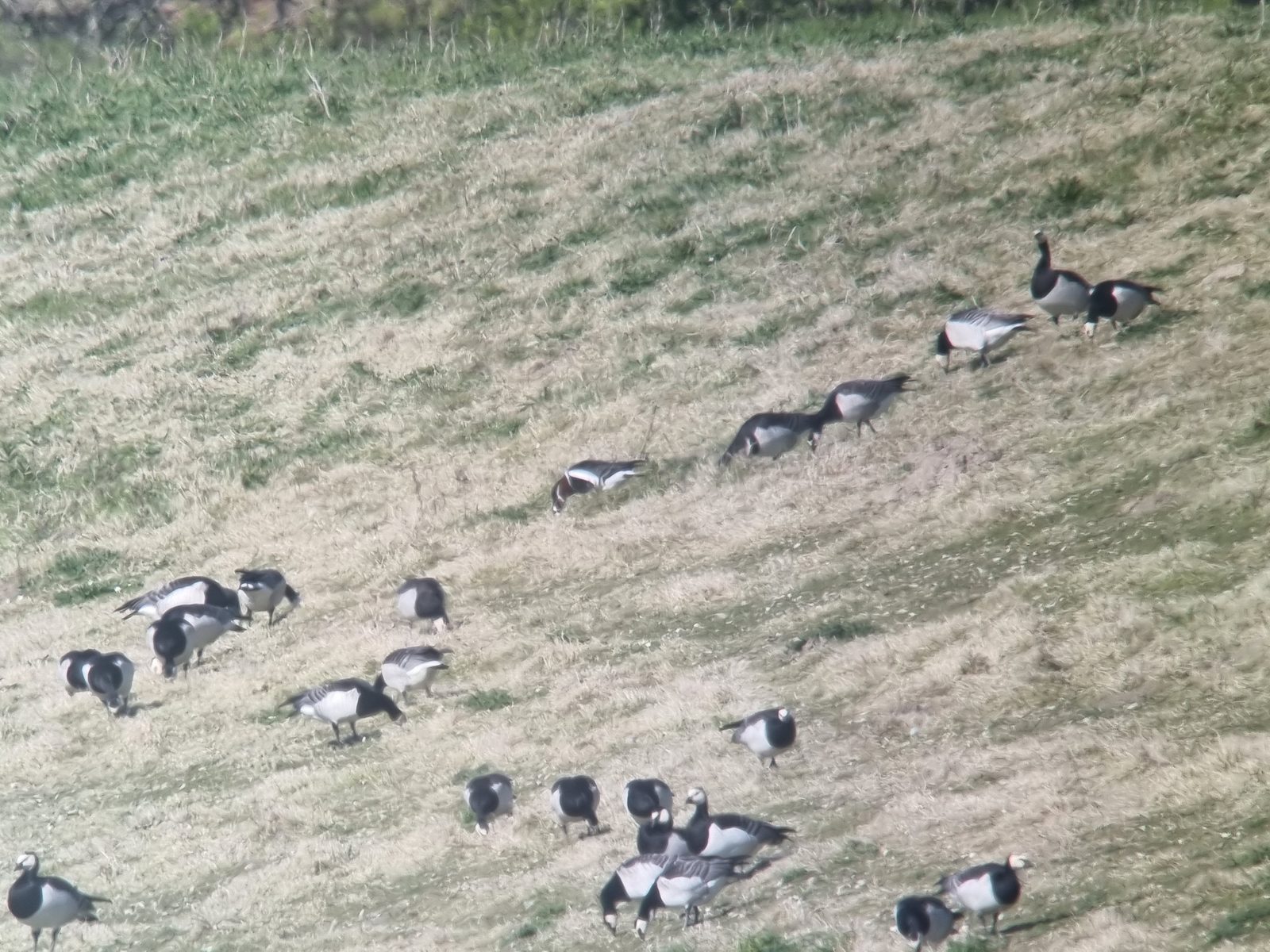
Bird · Geese
Globally important winter flocks use Dobrogea and the lower Danube after migrating from Arctic breeding grounds.
Meet the goose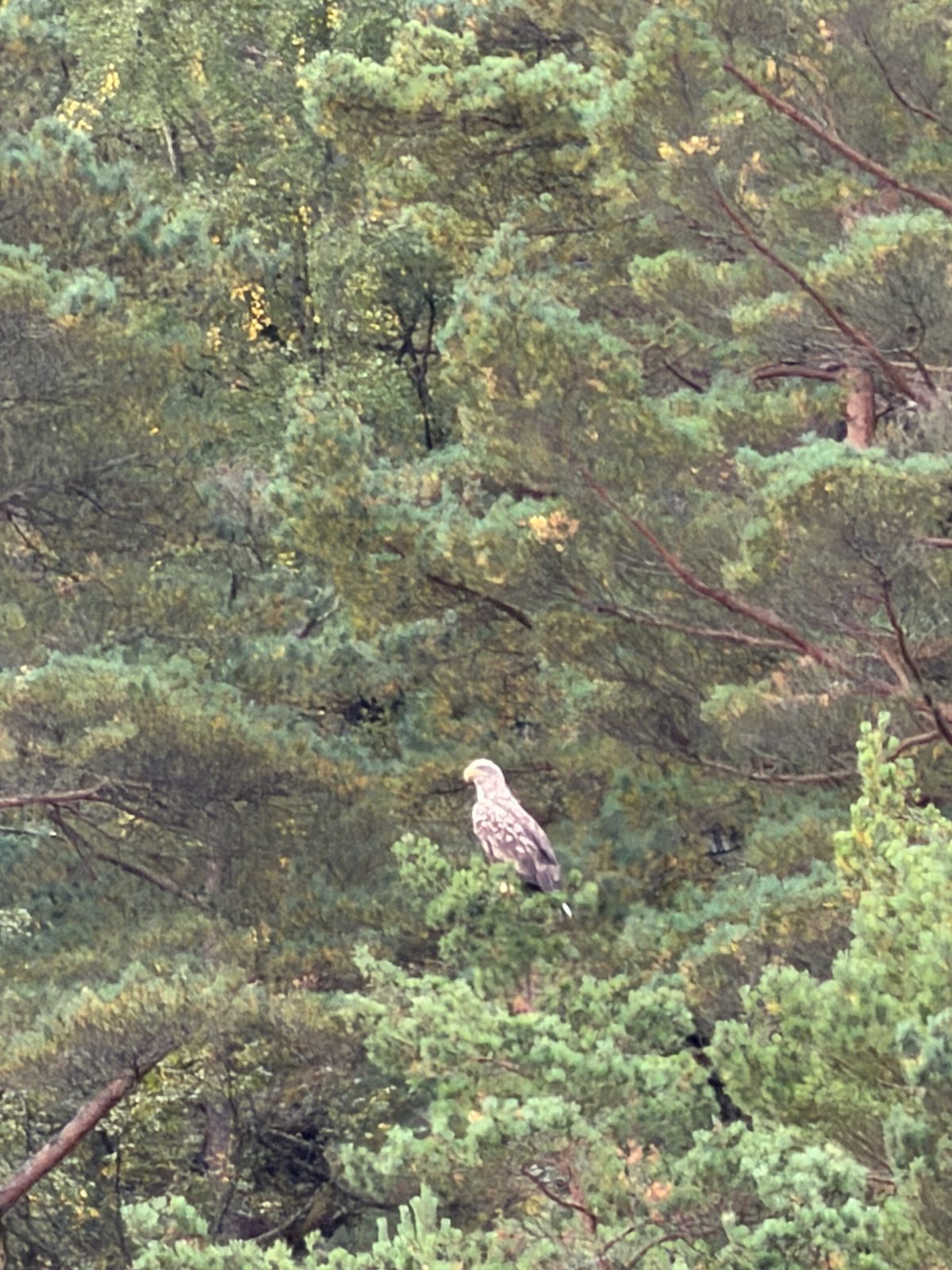
Bird · Eagles
A huge fish-eating eagle of the Danube Delta, major rivers and wetland landscapes.
Meet the eagleA free field guide to 487 animals in Romania: photos and identification notes for 103 mammals, 342 birds, 18 amphibians, 10 lizards, 11 snakes and 3 turtles and crocodiles, plus 24 of the best places to see wildlife in Romania, a trip planner and a personal sightings log. Free, with no sign-up.
400+ mammals, birds, reptiles and amphibians
Wildlife of Romania is a free online field guide to the wildlife of Romania: 487 species (103 mammals, 342 birds, 18 amphibians, 10 lizards, 11 snakes and 3 turtles and crocodiles) with photos and identification notes, 24 places to see wildlife, a trip planner and a personal sightings log. It is part of Wildlife of Everywhere, a family of free guides to wildlife destinations around the world.
Highlights include Danube Delta (Tulcea), Letea Forest (Danube Delta), Caraorman Forest (Danube Delta), Razim–Sinoe Lagoon Complex (Tulcea / Constanța) and Vadu–Corbu Coast (Constanța). The guide covers 24 places in all, each with the species it is known for and tips for visiting.
The guide's best places for the Brown Bear are Domogled–Valea Cernei National Park, Semenic–Cheile Carașului National Park, Retezat National Park and Făgăraș Mountains. A dramatic limestone valley with old beech forest, warm rocky slopes and extensive cave systems.
The guide's best places for the Gray Wolf are Retezat National Park, Făgăraș Mountains, Zărnești & Brașov Foothills and Rodna Mountains National Park. Glacial lakes, alpine meadows and extensive forest in one of Romania's wildest mountain ranges.
The guide's best places for the Dalmatian Pelican are Danube Delta and Razim–Sinoe Lagoon Complex. Europe's largest reedbed wilderness, with channels, lakes and floating reed islands used by pelicans, pygmy cormorants, herons and white-tailed eagles.
Yes. The guide is free with no sign-up, and works in any phone, tablet or computer browser. Your trip plan and sightings log are saved on your own device.
Species draw on MDD, AviList, the Reptile Database, AmphibiaWeb, Romanian national references and reviewed GBIF evidence. Introduced species are labelled. No global IUCN status is published; unknown national status remains unknown.
Yes. Use the contribution form to send photos, an album link, a trip report or a species that is missing. Every contribution is checked before it is added, you keep your copyright, and you are credited by name.
Many of Romania's species still have no photo in this guide. If you have a good, openly licensed photo of one, we would love to use it, with credit.