
 Wildlife
of Romania
Eurasian Coot
Cranes, Rails & Bustards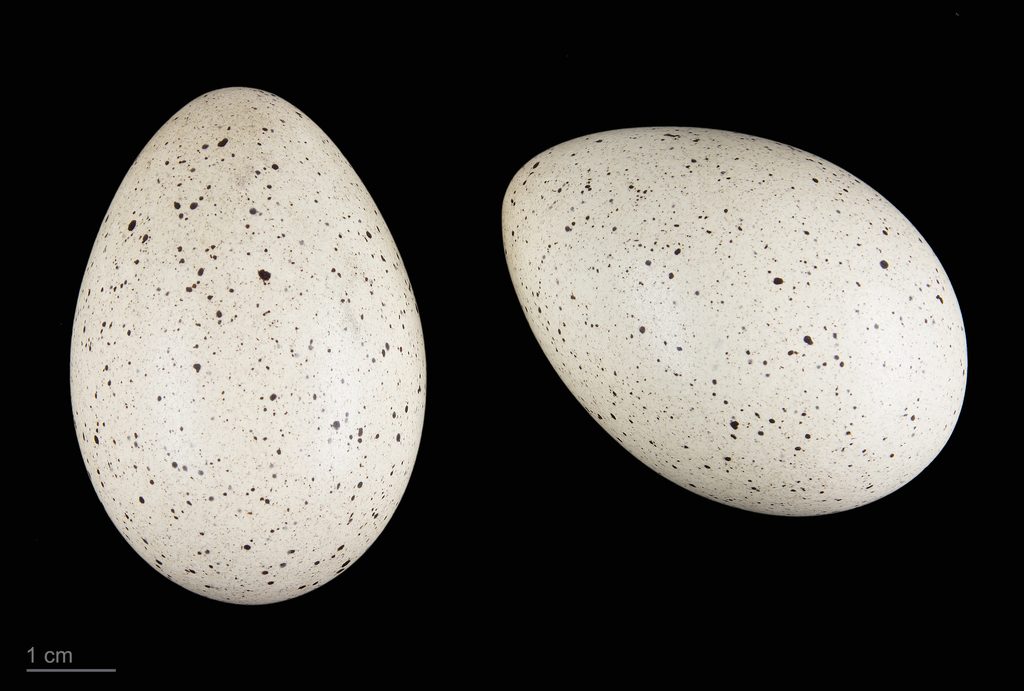
Photo: Roger Culos · CC BY-SA 4.0 (May be cropped or resized)
Fulica atra
Basic stats
Diet
Seeds, aquatic vegetation, fruit, invertebrates, small vertebrates and fish
Habitat
Freshwater lakes, ponds and marshes, including urban waters
Range
Europe, Asia, North Africa, Australia and New Zealand
Clutch size
Usually 6–10 eggs
Incubation period
21–24 days
Size
36–38cm
Wingspan
70–80cm
Weight
Averages about 717g
The Eurasian Coot is a dark, stocky rail, 36–38 cm long, with a white bill and matching frontal shield. Its long, powerful toes carry separate lobes rather than a continuous web, supporting both swimming and movement over soft surfaces. Young birds are paler, with whitish fronts, and acquire the black adult plumage before the facial shield becomes fully developed (Wikipedia, general species account).
Across Europe, Asia, North Africa and Australasia, the species lives on lakes, ponds and marshes and readily uses urban park waters. It grazes, tips forward or dives, consuming aquatic vegetation, seeds, fruit and varied animal prey (Wikipedia, general species account; EltonTraits, Wilman et al. 2014). Both sexes build a substantial nest from stems and leaves in shallow water or on a floating base. They share incubation of 6–10 eggs for 21–24 days (Wikipedia, general species account).
Where to see Eurasian Coot in Romania
GBIF records grouped by protected area. They show where the species has been reported, not that it is there now, and they are not population counts.
Recorded in 13 protected areas (1971–2026). The 8 with the most records:
- Danube Delta Biosphere Reserve: 1,633 records (1971–2026)
- Balta Albă - Amara - Jirlău: 137 records (2012–2026)
- Văcărești Nature Park: 111 records (2009–2026)
- Parcul Natural Comana: 88 records (2012–2026)
- Mestecănișul de la Reci și Bălțile de la Ozun-Sântionlunca: 16 records (2022–2026)
- Iron Gates Natural Park: 10 records (2011–2025)
- Parcul Natural Lunca Mureşului: 7 records (2012–2024)
- Rezervația Naturală Roșca-Buhaiova: 6 records (1996–2022)
Quick answers
- What does the Eurasian Coot eat?
- Seeds, aquatic vegetation, fruit, invertebrates, small vertebrates and fish
- What habitat does the Eurasian Coot live in?
- Freshwater lakes, ponds and marshes, including urban waters
- Where is the Eurasian Coot found?
- Europe, Asia, North Africa, Australia and New Zealand
- How many eggs does the Eurasian Coot lay?
- Usually 6–10 eggs
- How long are the eggs of the Eurasian Coot incubated?
- 21–24 days
- How big is the Eurasian Coot?
- 36–38cm
- What is the wingspan of the Eurasian Coot?
- 70–80cm
- How much does the Eurasian Coot weigh?
- Averages about 717g