
 Wildlife
of Romania
Eurasian Blue Tit
Tits, Nuthatches & Treecreepers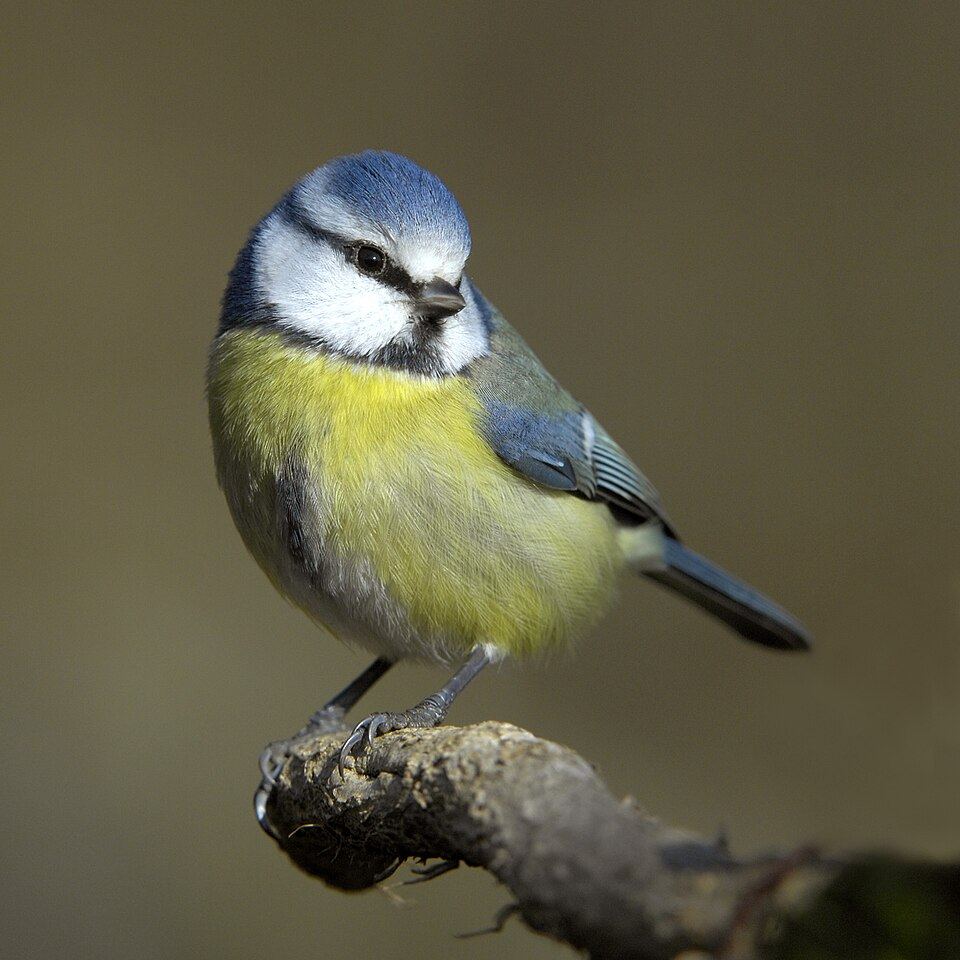
Photo: Maximilian Dorsch · CC BY-SA 3.0 (May be cropped or resized)
Cyanistes caeruleus
A small member of Paridae, the Eurasian Blue Tit is easily recognized by its blue and yellow plumage. The compact bird is readily identified by its combination of blue and yellow feathers. It is a common resident across temperate and subarctic Europe and extends into parts of western Asia. (Wikipedia, general species account)
It is usually sedentary and frequently uses deciduous or mixed forest where oak is plentiful. Nesting takes place in tree cavities, though nest boxes are also readily used. It mainly eats insects and spiders, turning to seeds and other plant foods outside the breeding season, and can feed while hanging upside down. (Wikipedia, general species account)
Where to see Eurasian Blue Tit in Romania
GBIF records grouped by protected area. They show where the species has been reported, not that it is there now, and they are not population counts.
Recorded in 29 protected areas (1978–2026). The 8 with the most records:
- Danube Delta Biosphere Reserve: 885 records (1978–2024)
- Piatra Craiului: 60 records (2008–2024)
- Parcul Natural Comana: 49 records (2012–2024)
- Mestecănișul de la Reci și Bălțile de la Ozun-Sântionlunca: 48 records (2016–2026)
- Văcărești Nature Park: 47 records (2016–2026)
- Parcul Natural Bucegi: 46 records (2000–2024)
- Trascău: 39 records (2013–2024)
- National Park Munții Măcinului: 38 records (2007–2024)