
 Wildlife
of Romania
Common Sandpiper
Waders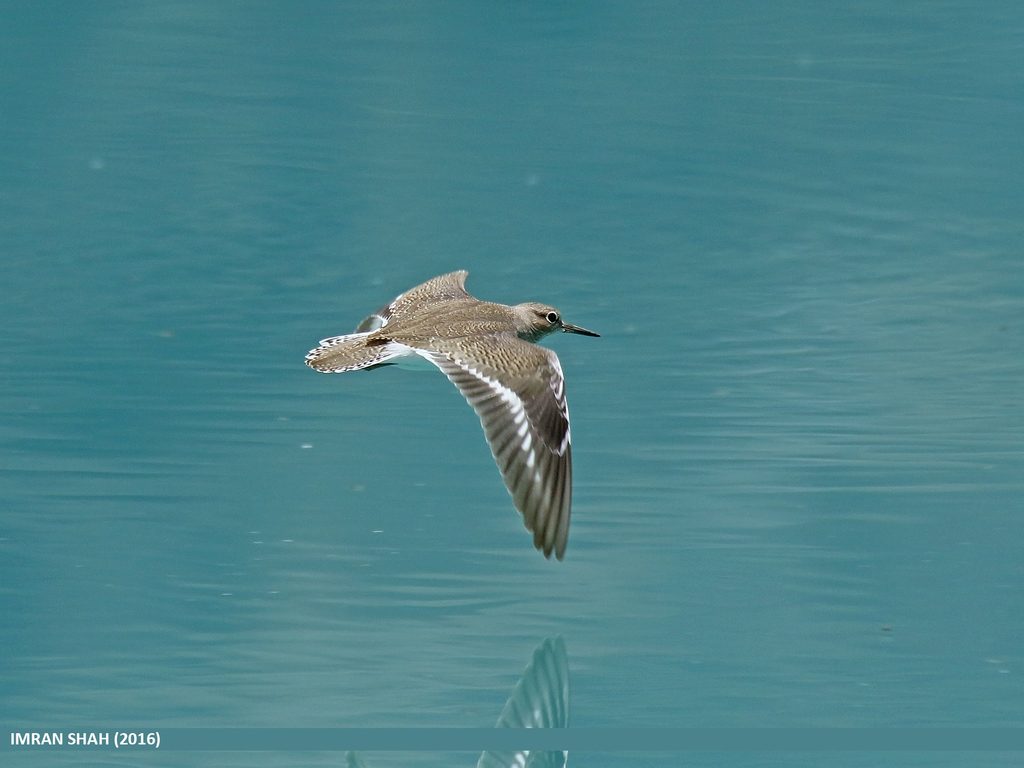
Photo: Imran Shah · CC BY-SA 4.0 (May be cropped or resized)
Actitis hypoleucos
Basic stats
Diet
Mostly invertebrates, with some small vertebrates, fish and plant material
Habitat
Edges of rivers, lakes and other fresh waters, with varied waterside winter habitats
Range
Breeds across the Palearctic and migrates to Africa, southern Asia and Australasia
Weight
Averages about 48g
The Common Sandpiper is a small Palearctic wader closely related to the Spotted Sandpiper of the Americas. Its brown upperparts, white underparts and characteristic white wedge rising in front of the folded wing help identify it. The bird frequently bobs its head and rear while walking, and its flight is typically low over water with stiff, shallow wingbeats. Breeding populations migrate widely to warmer parts of Africa, southern Asia and Australasia. (Wikipedia, general species account)
Across its range, the species frequents the margins of rivers, lakes and other fresh waters, searching the shore and shallows for prey. Trait data indicate a diet led by invertebrates, with smaller contributions from vertebrates, fish and plant matter, and describe it principally as a ground forager. Breeding pairs nest on the ground near freshwater, placing the eggs in a shallow scrape. AVONET and AnAge both give adult mass at about 48 g. (EltonTraits, Wilman et al. 2014; AVONET, Tobias et al. 2022; AnAge; Wikipedia, general species account)
Where to see Common Sandpiper in Romania
GBIF records grouped by protected area. They show where the species has been reported, not that it is there now, and they are not population counts.
Recorded in 6 protected areas (1971–2026).
- Danube Delta Biosphere Reserve: 491 records (1971–2026)
- Balta Albă - Amara - Jirlău: 29 records (2012–2023)
- Mestecănișul de la Reci și Bălțile de la Ozun-Sântionlunca: 14 records (2016–2025)
- Iron Gates Natural Park: 4 records (2003–2022)
- Piatra Craiului: 4 records (2012–2023)
- Parcul Natural Comana: 3 records (2016–2023)
Quick answers
- What does the Common Sandpiper eat?
- Mostly invertebrates, with some small vertebrates, fish and plant material
- What habitat does the Common Sandpiper live in?
- Edges of rivers, lakes and other fresh waters, with varied waterside winter habitats
- Where is the Common Sandpiper found?
- Breeds across the Palearctic and migrates to Africa, southern Asia and Australasia
- How much does the Common Sandpiper weigh?
- Averages about 48g